
A Diamond-Cut Frame Collage of a Beautiful Woman in Party Dresses | Sophisticated Collage Designed
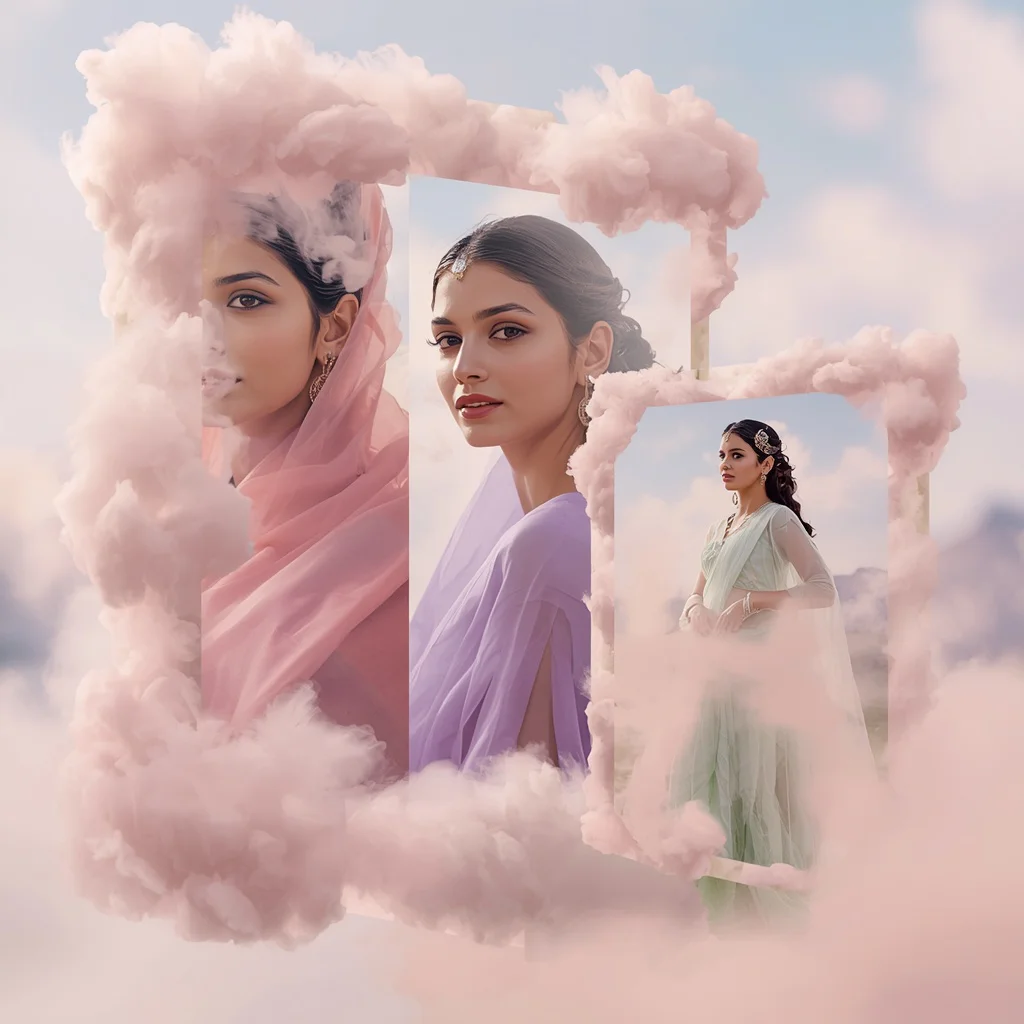
A single portrait can only show one outfit, one pose, one moment. This prompt solves that by arranging a beautiful woman across several diamond-cut frame patterns, so each angular segment carries a different western party dress and a different attitude. The result reads like a magazine spread that was cut apart and reassembled with intent rather than a random grid of photos.
The appeal is the tension between structure and softness. Hard diamond geometry holds the layout together while pastel tones, cinematic lighting, and soft highlights keep the mood feminine and polished. Below you will find what the prompt actually asks for, how to stage the reference, which tools handle it best, and the specific failures to watch for before you publish.
What this diamond-cut party dress collage is asking for
The prompt describes a sophisticated collage built from diamond-cut frame patterns, and every element inside those frames belongs to the same woman. She wears multiple western party dresses, and the diamond shapes are not decoration placed on top of a finished photo; they are the structure that separates one look from the next. The wording also insists on layered depth, which means the frames should feel like they sit at slightly different distances rather than lying flat on one plane. Lighting is cinematic with soft highlights, and the final target is an ultra-realistic high-fashion editorial, so skin, fabric, and hair all need to survive close inspection.
- Diamond-cut frame patterns forming the collage structure
- A beautiful woman shown in several western party dresses
- A slip dress as one of the featured outfits
- A sequined gown with visible sparkle and drape
- An off-shoulder cocktail dress revealing the neckline
- Radiant close-up portraits, over-the-shoulder looks, and full-body elegance in the same set
Inside the frames: poses, palette, and light
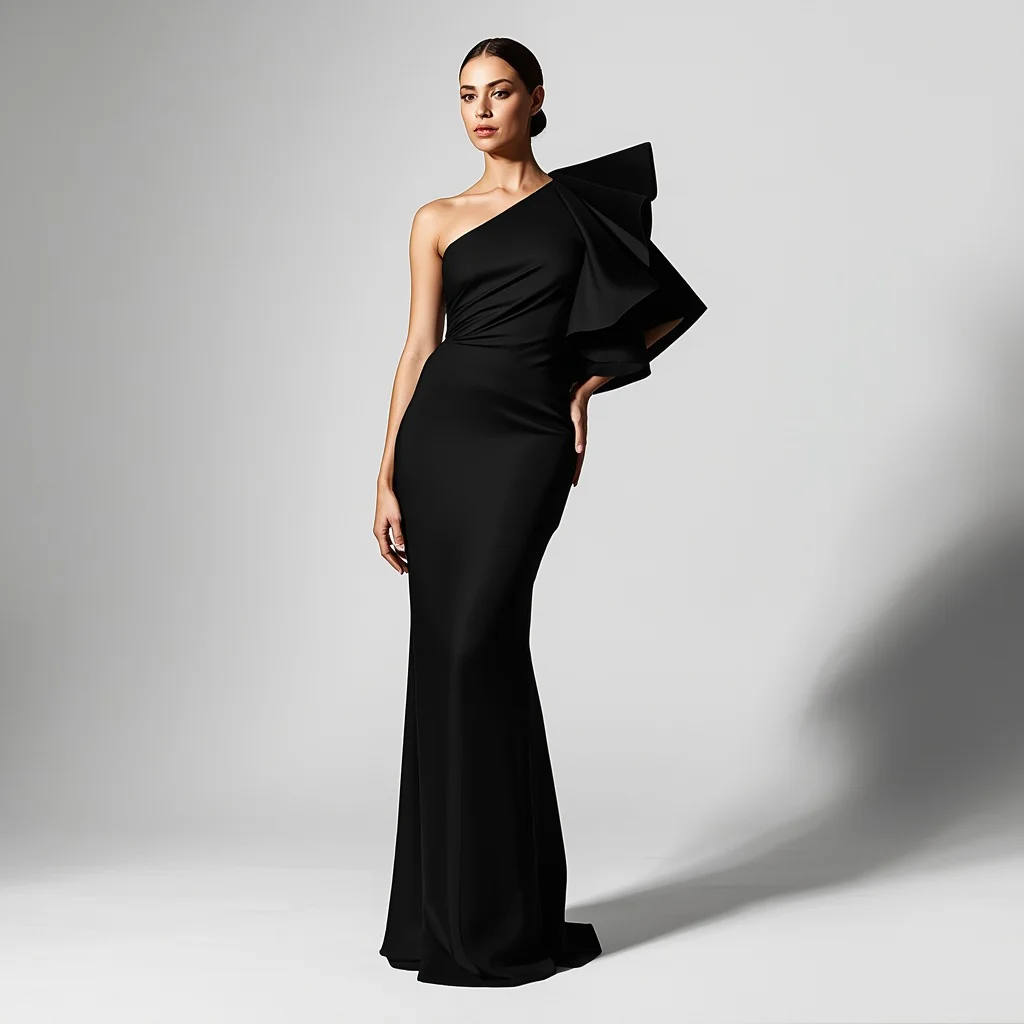
The scene is not a room or a street; it is a designed surface. Diamond shapes tile across the image, and each one holds a fragment of the same shoot. The prompt specifies that "each segment highlights a different outfit," so the slip dress, the sequined gown, and the off-shoulder cocktail dress never share a frame. Poses are distributed the same way: "radiant close-up portraits, over-the-shoulder looks, and full-body elegance" each occupy their own diamond, which keeps the collage from feeling repetitive.
Color and light tie the segments together. The prompt calls for a "pastel color palette" that "blends harmoniously across frames under cinematic lighting with soft highlights." That combination is what stops the collage from looking like three unrelated photos glued together. The pastels should carry across every diamond, and the highlights should fall in a consistent direction so the woman appears to be lit by one continuous source even though she is shown in several outfits.
Why this collage prompt works so well
The diamond-cut structure does something a normal portrait cannot: it lets one subject carry several outfits without the image turning into a chaotic mood board. The angular frames create rhythm, and the eye travels from a close-up to an over-the-shoulder shot to a full-body look without losing track of who the subject is. The pastel palette and cinematic lighting then unify everything, which is exactly what a high-fashion editorial needs. Finally, the ultra-realistic target pushes the model toward believable skin and fabric rather than a flat illustration.
- One subject, multiple party dresses, no loss of identity across frames
- Diamond geometry gives the collage a sharp, elegant structure instead of a loose grid
- Pastel tones and cinematic lighting make separate segments read as one cohesive editorial
Three style directions inside this prompt
Three style directions are already built into the wording, and each one stays inside the diamond-cut collage this prompt describes. You are not being asked to abandon the collage or replace it with a single portrait; you are choosing which quality of the same collage to push forward.
- High-fashion editorial: Lean into the ultra-realistic editorial target with crisp fabric detail, controlled poses, and magazine-grade retouching across every diamond.
- Pastel cinematic: Push the pastel color palette and soft highlights so the frames feel airy and the cinematic lighting stays gentle rather than harsh.
- Structured geometric: Emphasize the diamond-cut frame patterns and layered depth so the collage reads as a designed object first and a portrait second.
How to run this prompt step by step
The workflow is straightforward, but the order matters. Copy the prompt exactly, attach a reference so the model has a real face and body to work from, then generate and inspect before you iterate. Most of the problems with this kind of collage appear in the hands, the face, and the main garment, so those three checks decide whether the image is usable.
- Copy the prompt. Paste the full diamond-cut collage prompt into your tool without trimming the outfit or pose clauses.
- Upload a reference. Attach a clear, well-lit photo of the person you have permission to use so the face stays consistent across frames.
- Generate the first pass. Run the prompt at a wide or square aspect ratio so the diamond frames have room to tile properly.
- Check the hands. Zoom into every diamond and look for extra fingers, fused hands, or wrists that bend the wrong way.
- Check the face. Confirm the close-up portrait, the over-the-shoulder look, and the full-body shot all show the same person.
- Check the main object. Inspect the sequined gown and the off-shoulder cocktail dress for broken straps, melted sequins, or seams that vanish.
Choosing the reference photo
The reference photo decides how believable the final collage will be. Because the prompt asks for close-up, over-the-shoulder, and full-body views, a single head-and-shoulders shot will leave the model guessing about the body, and that guessing shows up as inconsistent proportions across the diamonds. A clean, evenly lit photo with a neutral expression gives the model the most to work with.
- Use a sharp, front-facing portrait with even lighting and no heavy filters
- Prefer a photo that shows the face clearly and at least part of the torso or full body
- Avoid busy backgrounds and strong colored light, which can leak into the pastel palette
Which tools handle this prompt best
Different tools interpret the diamond-cut collage differently. Some follow the layout instructions closely, others produce more realistic fabric, and one is strongest at the editorial finish. The table below maps each tool to this specific prompt, including the sequined gown and the pastel palette that have to survive the collage structure.
| Tool | Access | Typical realism | Useful here for |
|---|---|---|---|
| ChatGPT | Web and mobile app | Good, improving | Rewriting the prompt into clearer clauses about the diamond-cut frames and the off-shoulder cocktail dress |
| Google Gemini | Web and mobile app | Good for composition | Testing layout variations of the diamond shapes before committing to a final render |
| Leonardo AI | Web with free daily credits | Strong on texture | Rendering the sequined gown so the sparkle reads as fabric rather than noise |
| Midjourney | Discord and web | Excellent editorial finish | Producing the ultra-realistic high-fashion editorial look with the pastel palette intact |
Three practical tips for a cleaner collage
Small adjustments to the wording and the reference go a long way with this layout. The diamond frames are unforgiving because every flaw sits inside a hard-edged shape, so the slip dress, the sequined gown, and the off-shoulder cocktail dress all need to be described with enough specificity that the model does not improvise. Keep the pastel instruction visible in your prompt, and let the lighting clause do its job across all frames.
- Name the slip dress, the sequined gown, and the off-shoulder cocktail dress separately so each diamond gets a distinct outfit
- Keep the pastel color palette clause in the prompt, since removing it often pushes the render toward saturated party colors
- Ask for soft highlights and cinematic lighting together, which keeps the diamond frames from looking flat and cut out
Common failures and how to fix them
This prompt can fail in predictable ways. The diamond frames sometimes collapse into a plain grid, the woman's face changes between segments, and the sequined gown can turn into a noisy texture. Each problem has a specific correction, and most of them come down to restating the part of the prompt the model ignored.
| Issue | What to change |
|---|---|
| Frames look like a square grid instead of diamonds | Repeat the diamond-cut frame pattern wording and ask for sharp angular edges |
| The face changes from one segment to the next | Strengthen the reference photo and add a clause that the same woman appears in every frame |
| Sequined gown looks like static or noise | Ask for visible sequin structure and soft highlights so the sparkle reads as fabric |
| Pastel palette turns saturated or muddy | Restate the pastel color palette and request harmonious blending across frames |
Frequently Asked Questions
Can I use this prompt for a single portrait instead of a collage?
You can, but you would be removing the diamond-cut frame patterns that give the image its structure. If you want one outfit, describe just the slip dress or the off-shoulder cocktail dress and drop the collage wording entirely.
How many outfits should appear in the final collage?
The prompt names three: a slip dress, a sequined gown, and an off-shoulder cocktail dress. Three fits the diamond layout well because each outfit gets its own segment without crowding the frame.
Why does the woman's face look different in each diamond?
That usually means the reference photo was weak or the model treated each segment as a separate image. Use a sharper reference and add a line stating that the same woman appears in every frame.
Conclusion
This prompt is a layout challenge as much as a portrait challenge. The diamond-cut frames, the three party dresses, and the pastel cinematic lighting all have to cooperate, and when they do, the result looks like a designed editorial rather than a set of stitched photos. Start with a strong reference, keep the outfit clauses specific, and check hands, face, and the sequined gown before you call it finished.
Only edit and publish a photo of a person you have the right to edit, whether that is you, a consenting model, or an image you properly licensed.